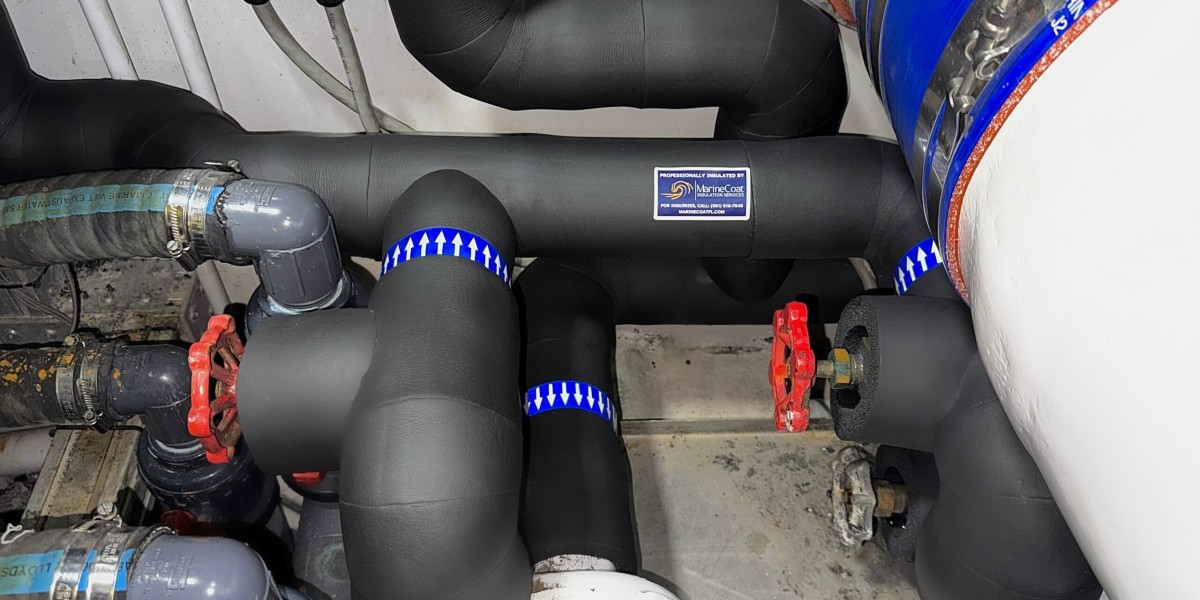

Owning a vessel offers freedom, exploration, and tranquil experiences, but unwanted vibrations and mechanical sounds can disturb the onboard atmosphere. Effective Marine Noise Insulation helps transform a noisy cabin into a refined retreat by controlling engine hum, equipment vibrations, and external disturbances. Professional Marine soundproofing techniques allow boat owners to create a calmer environment while improving relaxation during long voyages. From selecting advanced materials to refining installation methods, strategic acoustic improvements can dramatically enhance comfort without compromising vessel performance.
Understanding the Sources of Boat Noise
Before applying acoustic treatments, boat owners must identify the origins of disruptive sounds. Marine environments create complex acoustic challenges because vessels contain multiple vibration-producing systems. Engines, generators, pumps, ventilation units, and water movement can generate persistent frequencies that travel through structural components.
Proper Marine Noise Insulation begins with analyzing these sound pathways. Instead of treating only visible noise sources, owners should examine hidden transmission routes through bulkheads, flooring, ceilings, and equipment mounts. A comprehensive evaluation creates a foundation for successful acoustic refinement.
H4: Analyze Engine and Machinery Vibrations
Engine compartments are among the primary contributors to onboard disturbances. Installing vibration-dampening barriers around machinery spaces can minimize resonance transfer. Specialized mounting systems, resilient pads, and layered barriers reduce mechanical energy before it spreads throughout the vessel.
Using Marine soundproofing approaches near engines requires careful material selection because products must withstand humidity, temperature fluctuations, and continuous movement.
H4: Upgrade Cabin Wall Treatments
Cabin areas benefit significantly from layered acoustic assemblies. Combining dense barrier materials with absorptive surfaces can prevent sound reflection and reduce intrusive frequencies. Fabric panels, composite boards, and specialized acoustic membranes create a balanced interior environment.
For premium results, Marine Noise Insulation should be integrated behind wall coverings rather than added as a surface-level decoration. Hidden installations preserve aesthetics while providing stronger acoustic performance.
Select High-Performance Acoustic Materials
Material selection determines the effectiveness of any sound reduction project. Traditional household solutions often fail in marine conditions because they cannot endure moisture exposure, salt air, or constant vibration.
Boat owners should consider marine-grade acoustic foams, mass-loaded barriers, vibration absorbers, and waterproof insulation layers. These products provide durability while maintaining lightweight characteristics that are essential for vessel efficiency.
Advanced Marine soundproofing materials are engineered specifically for demanding maritime conditions. Their specialized composition allows them to control airborne noise and structural vibration simultaneously.
Improve Flooring and Deck Isolation
Footfall noise, engine vibrations, and wave impacts frequently travel through decks and flooring systems. Installing resilient underlayers beneath flooring materials can significantly reduce transmitted sound.
Carpet systems designed for marine applications, rubber isolation sheets, and flexible composites help interrupt vibration pathways. This method is particularly beneficial for sleeping quarters where quiet surroundings are essential.
A carefully designed Marine Noise Insulation strategy beneath flooring creates a noticeable improvement in onboard serenity. It also protects interior spaces from repetitive structural stress caused by continuous vibration.
Seal Gaps and Structural Openings
Small openings can undermine an otherwise effective acoustic installation. Sound travels through ventilation gaps, cable passages, door frames, and poorly sealed joints.
Using marine-compatible sealants and acoustic barriers around these areas prevents sound leakage. Owners should inspect every compartment connection because even minor openings can reduce the effectiveness of larger insulation projects.
Strategic sealing is a valuable Marine soundproofing technique because it enhances existing treatments without requiring extensive reconstruction.
Optimize Engine Room Isolation
The engine room requires specialized attention due to intense mechanical activity. Installing multilayer barriers around machinery zones can contain excessive sound energy.
Successful isolation usually combines heavy barrier layers, vibration control systems, and heat-resistant materials. These elements work together to reduce noise while maintaining safe operating conditions.
Marine Noise Insulation within engine compartments should always account for ventilation requirements. Blocking airflow incorrectly may create operational risks, so acoustic upgrades must balance noise reduction with equipment safety.
Install Quiet Mechanical Equipment
Modern marine equipment often includes quieter operating technology. Replacing outdated generators, pumps, or ventilation systems can reduce the amount of noise requiring treatment.
Energy-efficient machinery with improved engineering produces fewer vibrations and smoother operation. Combining equipment upgrades with Marine soundproofing creates a comprehensive approach to onboard comfort.
Boat owners planning renovations should evaluate both existing systems and future upgrades. This prevents unnecessary acoustic modifications after installing new equipment.
Use Floating Interior Structures
Floating structures separate interior components from the vessel’s vibrating framework. These systems create a buffer zone that limits sound transfer between surfaces.
Floating ceilings, isolated wall panels, and flexible mounting systems are effective solutions for advanced vessels. They are especially useful on yachts and long-range boats where comfort expectations are higher.
This method represents one of the most sophisticated Marine Noise Insulation approaches because it addresses structural transmission rather than only surface-level noise.
Maintain Acoustic Systems Regularly
Sound control solutions require periodic inspection. Moisture intrusion, damaged panels, loose fittings, and aging materials can gradually reduce effectiveness.
Boat owners should examine insulation layers, mounting points, and sealed areas during routine maintenance. Early identification of deterioration helps preserve acoustic performance.
Consistent maintenance ensures Marine soundproofing investments continue delivering value throughout the vessel’s lifespan.
Consult Marine Acoustic Specialists
Complex vessels may require professional assessment. Acoustic specialists can measure noise levels, identify problematic frequencies, and recommend targeted solutions.
Professional analysis prevents unnecessary spending on ineffective materials. Experts understand how vessel architecture, propulsion systems, and environmental conditions influence sound behavior.
A customized approach using Marine Noise Insulation principles delivers superior outcomes compared with generalized solutions.
Final Thoughts on Creating a Quieter Vessel
Reducing onboard disturbances requires thoughtful planning, suitable materials, and precise installation techniques. Boat owners who invest in acoustic improvements can enjoy smoother journeys, better rest, and a more luxurious maritime experience. Combining structural upgrades, equipment refinement, and Marine soundproofing strategies creates a vessel environment designed for comfort and peaceful navigation.