
The Strategic Role of Entry Protection in Modern Residences
A secure residence depends on carefully designed protective layers that discourage unauthorized access and preserve personal privacy. Among the most significant innovations in residential defense, Door Locks have evolved beyond basic mechanisms into intelligent systems capable of monitoring, restricting, and managing entry points. Modern households increasingly combine advanced locking solutions with Security Cameras to establish a sophisticated protective framework. These technologies provide homeowners with greater awareness, improved control, and enhanced confidence regarding their property’s safety.
Why Entry Barriers Remain Essential for Property Protection
The entrance of a home represents the primary gateway between private surroundings and external risks. A fragile access system can create vulnerabilities that compromise valuable possessions, confidential information, and family well-being. Contemporary Door Locks incorporate refined engineering, durable materials, and adaptive features that make unauthorized entry significantly more challenging.
Traditional locking designs relied mainly on mechanical resistance, while current solutions integrate digital authentication, biometric recognition, and remote management capabilities. These developments transform a simple household component into an active security instrument. Instead of merely preventing physical intrusion, advanced locking systems provide homeowners with detailed oversight regarding who enters and exits a property.
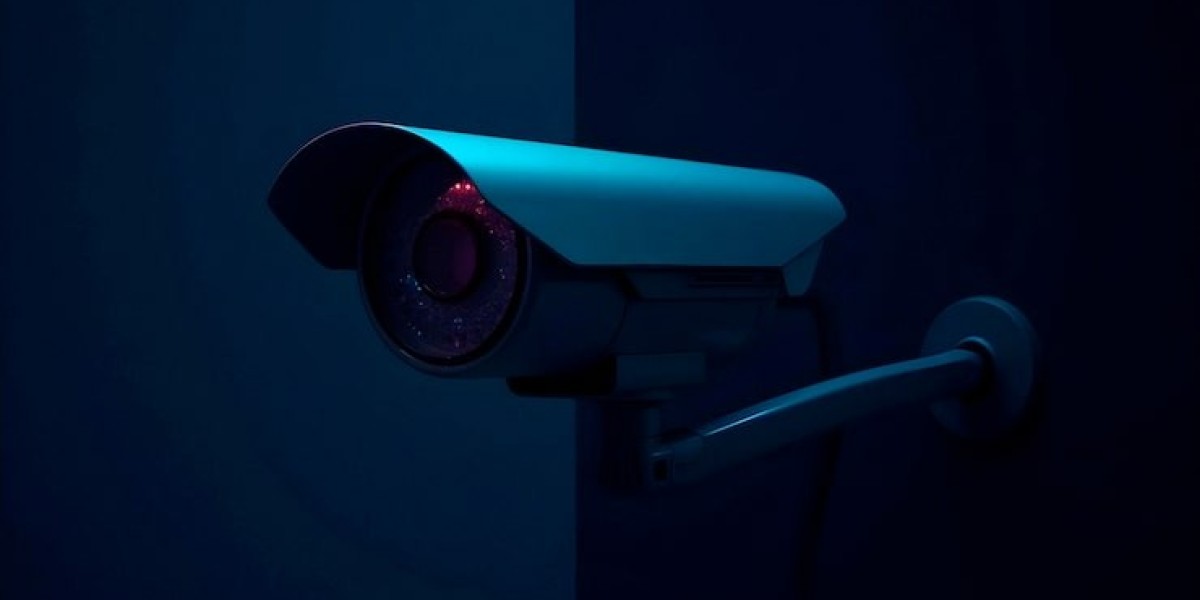
Security Cameras often operate alongside these mechanisms because visual verification adds another dimension of awareness. When combined, these technologies create a coordinated network where access control and observation reinforce each other.
Advanced Features That Strengthen Residential Defense
Smart Authentication and Personalized Access
Modern locking systems frequently utilize personalized credentials such as fingerprint scanning, encrypted codes, mobile authorization, and temporary access permissions. These capabilities eliminate many weaknesses associated with conventional keys, including duplication concerns and accidental loss.
A homeowner can assign different access privileges to family members, maintenance professionals, or guests without distributing physical keys. This approach offers flexibility while maintaining strict supervision over property entry.
Remote Monitoring and Digital Connectivity
Connected Door Locks allow users to manage access from smartphones, tablets, or centralized home platforms. Whether someone is traveling or working remotely, they can verify entry activity and modify permissions instantly.
This remote capability becomes especially valuable when integrated with Security Cameras. A homeowner may receive alerts, review activity, and confirm unusual events through a unified security environment. Such integration creates a proactive rather than reactive approach to household protection.
Reinforced Construction and Resistance Features
Beyond digital intelligence, physical durability remains a crucial characteristic. High-quality locking devices often include reinforced alloys, tamper-resistant components, and sophisticated internal structures designed to withstand manipulation attempts.
The combination of mechanical strength and technological sophistication creates a more comprehensive barrier. A resilient access mechanism reduces opportunities for intruders while providing long-term reliability for residents.
The Relationship Between Locking Systems and Surveillance Technology
A modern security strategy rarely depends on one individual solution. Instead, homeowners benefit from combining multiple protective resources that address different threat scenarios. Door Locks control physical access, while Security Cameras provide visual intelligence and documentation.
This partnership allows residents to understand not only whether an entry attempt occurred but also who was involved and when the activity happened. The collected information can assist with emergency responses, property investigations, and general awareness.
Intelligent security ecosystems also support automation. For example, a homeowner can configure lighting, alarms, surveillance devices, and entry controls to respond according to specific conditions. This interconnected structure creates a highly responsive residential environment.
Psychological Benefits of Enhanced Home Protection
Security improvements influence more than physical safety; they also contribute to emotional reassurance. Knowing that a residence has carefully engineered defenses can reduce uncertainty and encourage a stronger sense of comfort.
Reliable Door Locks establish a protective boundary that separates personal spaces from external disturbances. When residents combine these solutions with monitoring technologies, they gain a clearer understanding of their surroundings.
The presence of Security Cameras can further discourage unwanted behavior because visible monitoring systems communicate that activities around the property are being observed. This preventive effect often reduces the likelihood of opportunistic attempts.
Choosing the Appropriate Security Solution for Different Homes
Evaluating Property Requirements
Every residence has unique characteristics, including architectural design, neighborhood conditions, lifestyle patterns, and accessibility needs. Selecting a suitable protection system requires examining these factors carefully.
Homeowners should consider durability, convenience, compatibility, and future expansion possibilities. A well-planned security arrangement should adapt to changing circumstances rather than becoming outdated quickly.
Balancing Convenience With Protection
Advanced technology should simplify security management instead of creating unnecessary complexity. The ideal solution combines effortless operation with dependable safeguards.
Modern Door Locks demonstrate this balance by offering streamlined access methods while preserving strong defensive capabilities. When paired with Security Cameras, they provide a broader perspective on household protection and improve decision-making during unusual situations.
Future Developments in Residential Security
The evolution of home protection continues through advancements in artificial intelligence, automation, and predictive analysis. Future systems may identify behavioral patterns, recognize potential risks earlier, and provide increasingly personalized security responses.
Emerging innovations will likely emphasize seamless interaction between access management, surveillance, and smart home infrastructure. These developments indicate that residential safety will become more adaptive, intelligent, and interconnected.
Homeowners who invest in advanced protective measures today can benefit from technologies designed to address modern security challenges. Strong entry solutions remain a foundational element because they establish the first defensive boundary for any residence.
Final Thoughts on Creating a Safer Living Environment
A dependable home protection strategy requires thoughtful planning, reliable technology, and multiple layers of defense. Door Locks serve as a fundamental safeguard by controlling access, while Security Cameras enhance visibility and awareness throughout the property. Together, these solutions create a more resilient residential environment capable of addressing evolving security concerns.